
Facing the Pressure
MAFES scientist explores how young adults overcome adversity
By: Carson McFatridge
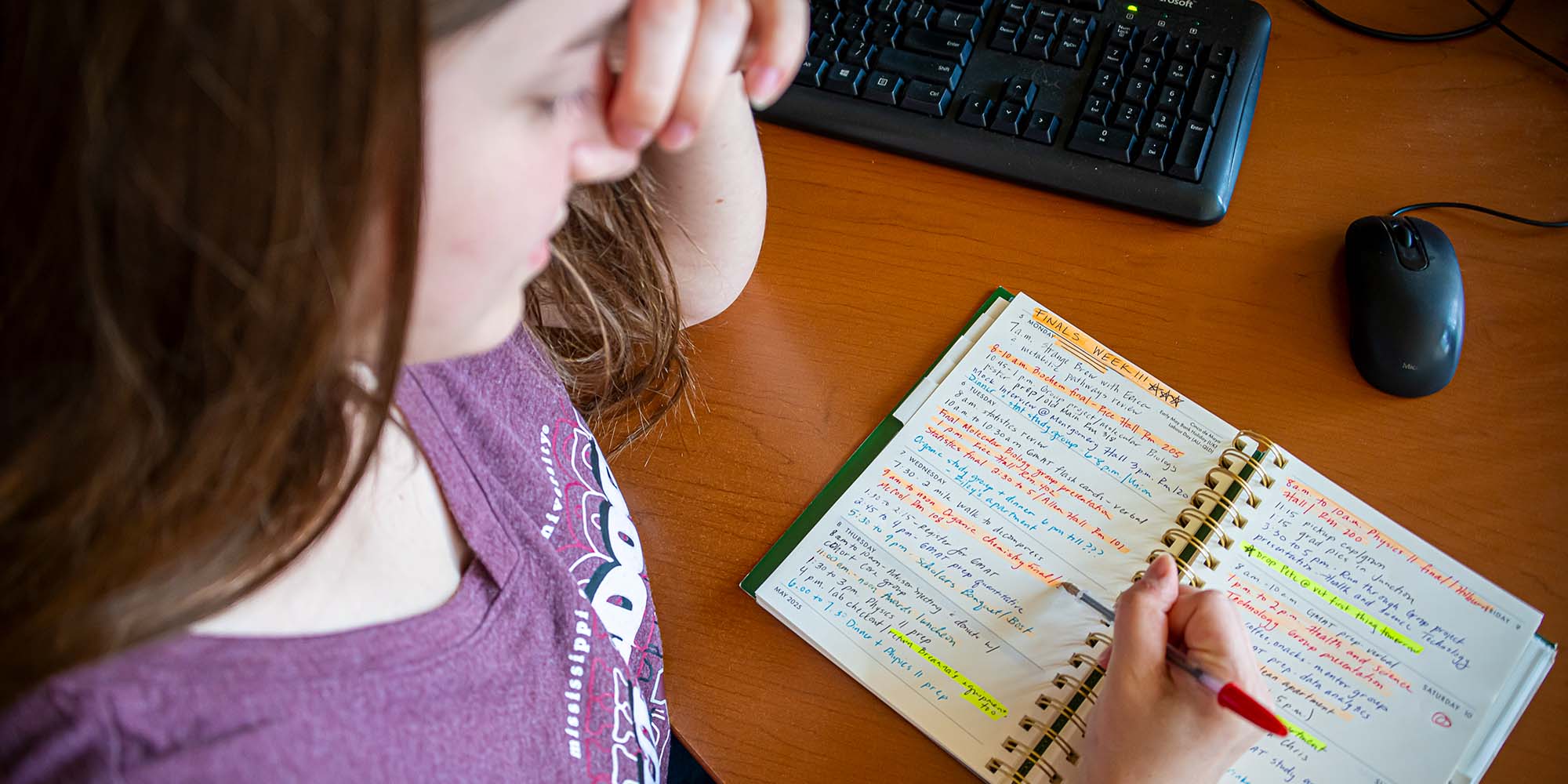
Between school, work, extracurricular and family obligations, it is easy to become overbooked, resulting in excess stress. (Photo by David Ammon)
Dr. Tommy Phillips did not begin his career in a classroom or research lab. Instead, his earliest professional experiences were shaped by his time in the United States Marine Corps, where physical endurance and mental resilience are not just encouraged but required. It was there, amid intense training and high expectations, that Phillips noticed a pattern, one that would later define his academic work.
Under pressure, he observed, people were often capable of far more than they believed. The limits they perceived were rarely the limits they had. That realization stayed with him as he transitioned into academia and began studying how individuals respond to adversity.
"Most people can take more than they think they can take. They can do more than they think they can do. They can accomplish much more than they think they can accomplish," said Phillips, a scientist with the Mississippi Agricultural and Forestry Experiment Station, or MAFES, and associate professor in the School of Human Sciences at Mississippi State University. "We all experience adversities and challenges. I am more interested in the ways people persevere and overcome, and what that looks like between individuals."
That curiosity ultimately led to a study of students enrolled in his Risk, Resilience, and Preventive Interventions course. Phillips set out to better understand how young adults cope with difficult or stressful life experiences. At the center of their investigation was the concept of cognitive reframing, a psychological technique in which individuals reinterpret a situation in a more positive or constructive way to lessen its emotional impact.
Rather than relying on traditional survey methods with predetermined answers, Phillips chose a more open-ended approach. Using grounded theory, the study allowed 45 students to describe their experiences and coping strategies in their own words. This method, though more labor intensive, was intentional.
"It was our goal to give those being surveyed maximum latitude to respond using their own voice," Phillips explained. "As a researcher, it is easy for unavoidable bias to show up even in the answer choices provided."
With grounded theory, the process does not begin with a fixed hypothesis. Instead, themes and conclusions emerge organically from the data itself. Phillips analyzed collected responses through a systematic coding process, repeating the analysis three separate times to ensure consistency and credibility. What emerged from this process were four dominant coping strategies, distinct categories that reflected how young people navigate adversity.
The most common strategy, reported by 42% of participants, was support from others. Students frequently cited friends, family members, and their broader communities as essential sources of strength. For many, simply having someone to lean on during difficult moments makes a difference. One student, reflecting on the challenges of growing up in a single parent household, shared that support from extended family helped. These responses highlighted a clear theme, resilience is often not an individual effort, but a collective one.
The second most common strategy, reported by nearly 22% of respondents, involved religious or spiritual faith. Students described turning to prayer, attending church services, or participating in Bible studies to cope with hardship. Their experiences ranged widely, from navigating family struggles like divorce to confronting serious health issues, but shared belief in something greater than themselves provided a sense of comfort and direction.
An equal percentage of students described using personal action strategies. Unlike reliance on external support or faith, these responses emphasized individual initiative and problem solving. Some students discussed making practical adjustments to their daily lives, such as changing spending habits after a family income shift. Others focused on academic perseverance, like seeking out tutoring after repeated setbacks in a difficult course. These strategies reflected a hands-on approach to adversity, where individuals actively worked to change their circumstances rather than simply endure them.
The final category, reported by just over 14% of participants, was cognitive strategies, including cognitive reframing. In these responses, students demonstrated a deliberate effort to shift their mindset to better cope with a situation. One student, struggling with homesickness, reframed their experience by focusing on the long-term value of their education, reminding themselves that the temporary discomfort of being away from home was worth the opportunities they were gaining. Though less common than the other strategies, these responses aligned closely with the study's central focus and underscored the power of perspective in shaping emotional outcomes.
For Phillips, the results were not particularly surprising. What stood out, however, was how closely the findings mirrored those of larger, more traditional studies that rely on structured hypotheses and quantitative data. Despite its smaller sample size and open-ended design, the study produced conclusions that were consistent with established research in the field. This suggests that grounded theory, when applied carefully, can be a reliable and effective method for understanding human behavior.
Looking ahead, Phillips is interested in expanding this research to explore how coping strategies may differ across populations. The sample for this study came primarily from the School of Human Sciences, which has a predominantly female student body. Additionally, the cultural and geographic context of the Southeastern United States may influence the prominence of certain strategies, particularly those related to faith. Conducting similar studies in different regions or with more diverse participant groups could reveal new patterns and deepen understanding of how context shapes resilience.
Beyond its academic implications, the study also has practical applications, especially in collegiate settings. Phillips emphasized that the findings could inform how universities support students facing stress, anxiety, and other challenges.
"It is clear that young adults crave community and support from those around them," he said. "Universities have teams of individuals whose primary responsibility is to provide tools for coping. We need to make sure that students are connected to the resources available."
By encouraging students to build connections, engage with campus resources, and explore strategies like cognitive reframing, institutions can play a meaningful role in fostering resilience. The study suggests that even small interventions, like helping a student find a support network or shift their perspective, can have a lasting impact.
This research is funded by the Mississippi Agricultural and Forestry Experiment Station.
We all experience adversities and challenges. I am more interested in the ways people persevere and overcome, and what that looks like between individuals.
Dr. Tommy PHillips
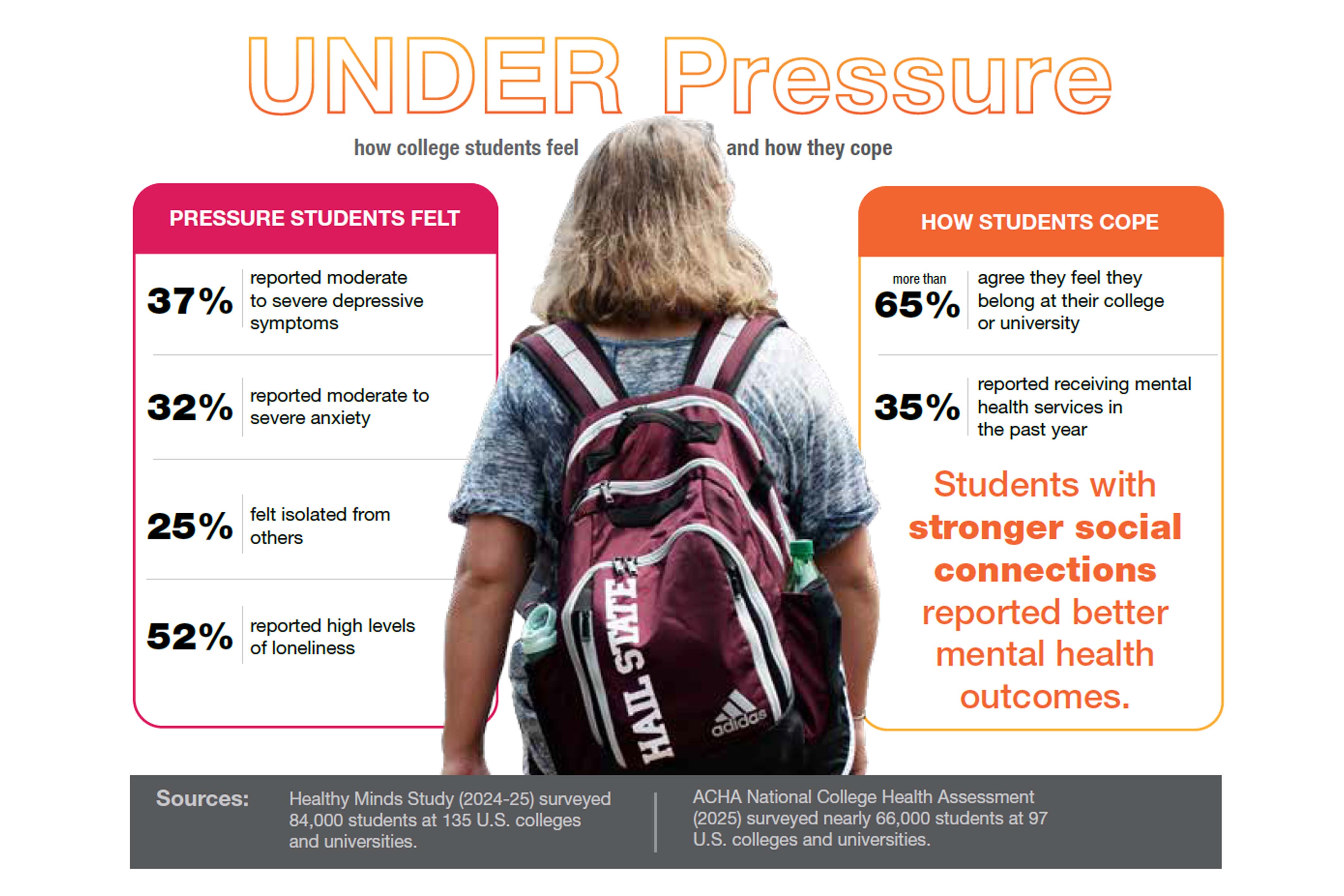
Facing the Pressure Infographic
Behind the Science
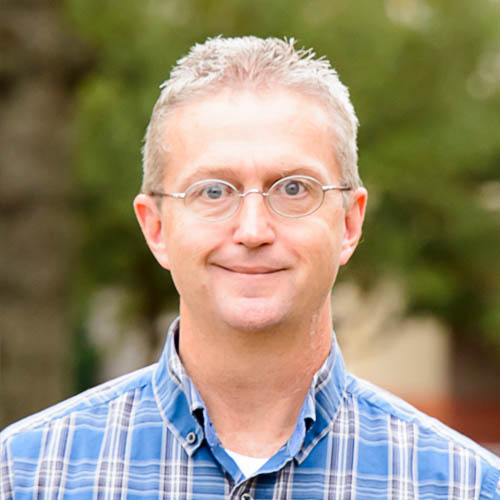
Tommy Phillips
Research Professor
Education: B.A.; M.A., Psychology, University of West Georgia; Ph.D., Human Development and Family Studies, Auburn University
Years At MSU: 17
Focus: Youth development, emerging adulthood, well-being
Passion At Work: I love doing research that can make a difference in individuals, children, youth, emerging adults, couples, and families facing real issues.