
Making Waves
MSU's top-ranked aquaculture program delivers service-driven scholarship
By: Meg Henderson
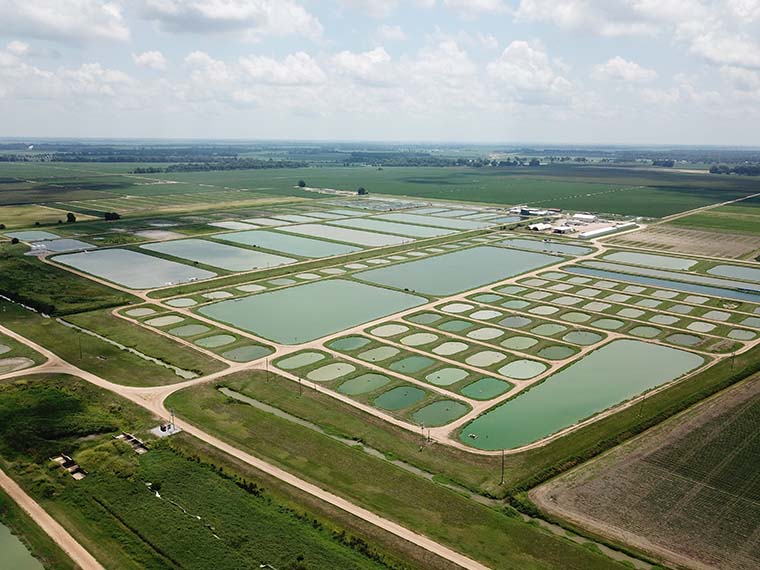
An aerial view of catfish farms at the Delta Research and Extension Center in Stoneville. (Photo by Kenner Patton)
Analytics platform ScholarGPS has anchored Mississippi State University as the world's #1 institution for aquaculture, measured by scholarly productivity, research quality, and meaningful impact. The accolade results from the university's 40-plus-year mission to produce industry-responsive research.
The Mississippi Agricultural and Forestry Experiment Station has played a large role in growing the program since its founding. In 1980, the university began its aquaculture program at the Delta Research and Extension Center in Stoneville, near the heart of the nation's catfish production industry.
In 1985, the USDA selected MSU to host the National Institute of Food and Agriculture's Southern Regional Aquaculture Center. Two years later, the USDA-Agriculture Research Service established the Catfish Genetics Research Unit to conduct genetics and breeding research. Today, the MSU Thad Cochran National Warmwater Aquaculture Research Center, or NWAC, supports interdisciplinary research and extension efforts. The facility's 300 acres of ponds set it apart from peer institutions and are the site of the program's most groundbreaking studies.
Close collaboration is a hallmark of the program. Between the Delta Center and the university's main campus, 20 faculty members are dedicated to aquaculture research and extension—eight in MAFES, 11 in the College of Veterinary Medicine, and one in the MSU Extension Service. Nine additional faculty from other academic departments have contributed to recent aquaculture projects, and seven USDA scientists partner with MSU faculty at NWAC.
While the program's ranking results from decades of robust scholarship, these scientists, all in the MSU Department of Wildlife, Fisheries and Aquaculture, are not conducting research for its own sake. They are driven by MSU's land-grant mission of helping people, from producers to consumers to government officials and agencies whose decisions affect the industry.
Feeding a better fillet
Nutrition is fundamental to the aquaculture industry and a major area of study at MSU. Assistant Research Professor Dr. Fernando Yamamoto, a MAFES scientist stationed at the Delta Center, focuses on developing better nutrition for the catfish industry and evaluating key ingredients and additives that optimize production parameters and cost at a time when increasing feed prices threaten the industry's profitability.
"Roughly 60 percent of total U.S. fish production is catfish, and nutrition has a huge impact on the industry, accounting for 50 to 60 percent of production cost," he said.
Yamamoto explained that formulating feed with high digestibility is crucial, especially in an intensive farming environment, where more fish are raised in a smaller surface area. He and his colleagues are examining alternative ingredients and nutrient digestibility. They are also investigating the use of plant-derived products like essential oils as feed additives to either replace or reduce the use of antibiotics.
"Adjusting feed formulas is like trying to create the perfect recipe," he said. "It's a way to help farmers make their operations more profitable."
Feeding management is another important component of Yamamoto's research. Optimizing delivery methods means fish will retain more vital nutrients like nitrogen and phosphorus and reduce their excretion to the aquatic pond environment, which can be toxic to fish.
"The collaborative work within our team of scientists, including our colleagues at USDA, is essential for developing solutions to the problems the catfish industry faces," he said. "The research developed in our research center seeks to add value across the production chain from the by-products generated by crop farmers to feed millers, fingerling and food-fish producers, and catfish processing facilities."
Hatching production solutions
Dr. Jimmy Avery, Extension professor and director of the USDA-National Institute of Food and Agriculture's Southern Regional Aquaculture Center, knows that research in production encompasses a wide variety of expertise. Since he arrived in 1999, he has worked to help farmers implement the management practices developed by MSU and USDA scientists.
Studies establishing best management practices—such as controlling off-flavor, developing intensive production systems to improve efficiency, and creating innovative fertilization methods to increase the survival of catfish fingerlings—have helped producers overcome potentially catastrophic challenges in recent years.
"One of the biggest contributors to the industry's improvement in production efficiency is the use of the hybrid catfish. USDA and MSU scientists improved the genetic lines used to make the hybrid, a cross between the blue catfish and the channel catfish, and developed new techniques and equipment to boost hatchery yields. USDA and Extension personnel cooperated with hatchery owners and farmers, teaching them how to use these techniques in their hatcheries," he said.
Scientists on campus are working with the USDA-APHIS Wildlife Services National Wildlife Research Center to investigate bird depredation, studying the damage birds such as double-crested cormorants and American white pelicans are causing to catfish ponds throughout the Southeastern U.S.
"With some of the new DNA-marker technologies, we are finding these birds may have a bigger role in spreading parasites and diseases than we knew," Avery said.
Testing the waters
A supportive environment is essential for healthy fish and a thriving industry. Dr. Peter Allen, a professor and MAFES scientist, studies the physiology of fish and its relationship to management practices and environmental conditions. He is working closely with scientists in the Department of Biochemistry, Nutrition and Health Promotion and Department of Animal and Dairy Sciences on campus and USDA scientists at NWAC to evaluate environmental conditions and management practices to minimize stress on the fish.
"We're seeking to make the harvesting process as smooth as possible so the fish are in great shape when they get to the processor, and the product the consumer gets is consistently excellent," he said.
Since catfish aquaculture was established in the U.S. in the 1960s, Mississippi has become, in Allen's words, "Ground Zero" for the industry. He described American catfish as one of the world's safest and most sustainable protein sources.
"Catfish ponds require very little additional water to operate, and the fish feed is grain based," he said. "U.S.-grown catfish is more expensive than imports, but our regulations ensure a clean production environment and a consumer product free of chemical residues. It's a product we can be proud of."
Swimming upstream
Infectious agents are a constant threat to production. NWAC's Aquatic Research and Diagnostic Laboratory sees over 700 cases annually from the Southeastern U.S. catfish industry. In response, the MSU-USDA team has developed rapid, molecular-based diagnostic tests to monitor pathogen levels in environmental, fecal, and tissue samples to identify the sources and evaluate treatment success.
One of the team's most impactful discoveries was a vaccine against Edwardsiella ictaluri, the cause of Enteric Septicemia of Catfish (ESC), along with an oral delivery system developed in collaboration with scientists from the Department of Agricultural and Biological Engineering. Other accomplishments include the development of monitoring and management strategies to reduce losses from proliferative gill disease; a pond treatment protocol to control trematodes; and dietary supplements to treat catfish anemia.
Dr. David Wise, a research professor, MAFES scientist, and coordinator of the Thad Cochran National Warmwater Aquaculture Center, has led many of these efforts for more than 30 years. He maintains that these breakthroughs have established the aquaculture program's reputation as a leader in industry-centered research.
"Our cross-departmental collaboration has taken this oral vaccination strategy from proof of concept to industry adoption. Not only has it increased survival of catfish fingerlings, but it has also allowed for increased feeding rates, resulting in doubled fish growth in the fingerling stage. The availability of larger stocker fish has decreased production time, often shortening the production cycle by one year," he said.
The team is currently working to test a vaccine for Edwardsiella piscicida, a bacterium similar to the one causing ESC, which affects larger food fish in production ponds. They are conducting field trials using their oral vaccination platform developed by agricultural and biological engineering scientists.
With a humble attitude, Wise said, "Academics do not drive industry; industry drives academics. We are successful in our publications because of our research. We have been successful with our research because of this facility located in Stoneville, our accountability to the industry, and our access to collaborators across MSU and USDA."
Farming sustainably
Economics intersects all other elements of the program's research. Dr. Ganesh Kumar, an associate research professor and MAFES scientist, studies how catfish farmers manage their inputs and cost of production. An applied economist, he uses economic tools to provide pragmatic solutions and recommendations.
In a recent study, Kumar examined resource productivity and cost efficiency in varying levels of intensive catfish production.
"We saw cost efficiencies in the use of inputs such as land, water, use of capital, labor, and equipment. Improving inputs is vital for the sustainable development of our catfish industry, which contributes over $2 billion annually to the U.S. economy," he said.
Kumar also studies the global aquaculture markets and reiterates the importance of domestic aquaculture growth. Research shows that U.S. catfish is one of the most environmentally and socially sustainable seafood products. Since the species is the largest aquaculture product in the country, production and cost efficiencies on catfish farms are vital for domestic aquaculture development.
"The United States is the largest seafood market in the world, but we are placed 18th in aquaculture production," he said.
"Regulatory burden costs catfish farmers up to $56 million annually. The majority of our seafood supply is imported from countries with softer regulations, giving them a comparative cost advantage. We're trying to show the importance of more pragmatic, non-redundant, and streamlined regulations that allow for more domestic production, reducing our seafood trade deficit and improving food security."
He acknowledged the importance of MSU's relationships with producer organizations in developing meaningful research.
"The Catfish Farmers of America and the National Aquaculture Association are led by industry leaders who relay the issues to the scientists, and we listen to them. Those relationships are the biggest reason why MSU has such a successful program. Industry relationships and feedback are the most important part of our land-grant mission, and I'm very honored to be a part of that process."
Beneath the surface
MSU's top ranking in aquaculture is undeniably well earned. Yet it only skims the surface of the program's impact over the last four-plus decades.
"There is so much our team does that will not be captured by ScholarGPS. When we're working with the USDA Food Safety Inspection Service or working with farmers to get them weather-related disaster assistance, for example. It's an important benchmark for the work we do at Mississippi State, but it certainly does not capture everything," Avery said.
Perhaps not. But it sends a clear message that MSU is indeed making waves in the ocean of scholarship with its mission-driven research.
This research is funded by the Mississippi Agricultural and Forestry Experiment Station, USDA, and other partners.
Adjusting feed formulas is like trying to create the perfect recipe. It's a way to help farmers make their operations more profitable.
Dr. Fernando Yamamoto
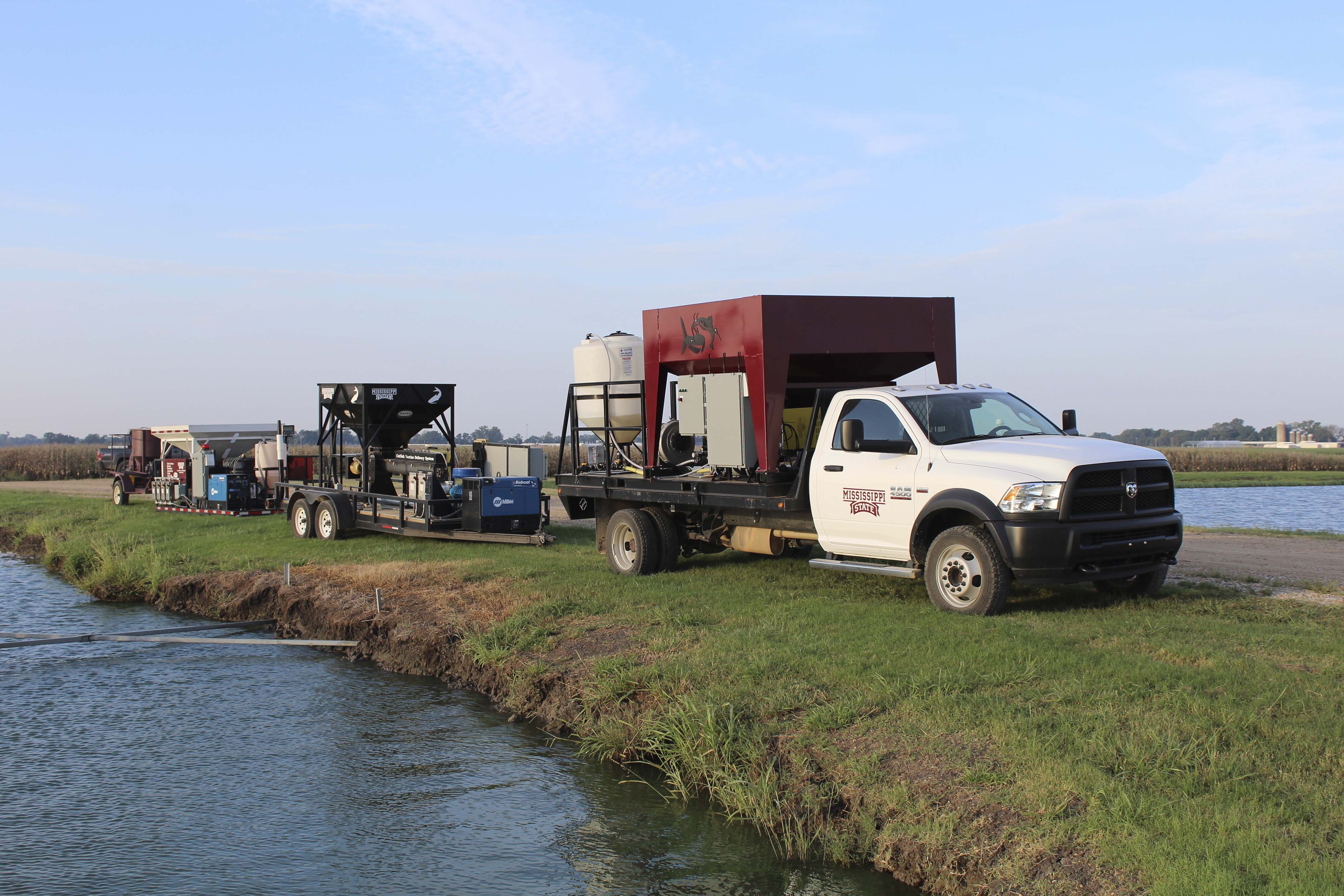
MAFES scientists, in collaboration with USDA and College of Veterinary Medicine researchers, developed a catfish vaccine and delivery system to treat for Edwardsiella ictaluri, a fatal disease that costs U.S. producers between $14-$45 million. (Photo by Kenner Patton)
Behind the Science
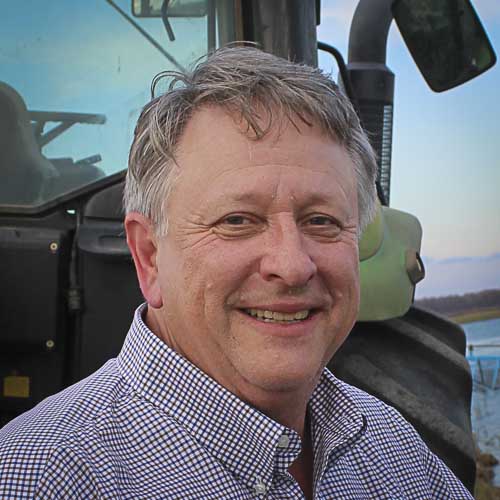
David Wise
Research Professor
Education: B.S., Aquatic Biology, Texas State University; M.S., Aquaculture; Ph.D., Microbiology, Clemson University
Years At MSU: 32
Focus: Research, extension, and diagnostic services with an emphasis on fish health management, profitability for farmers, and production efficiencies
Passion At Work: I am passionate about conducting research that has direct industry application and using this information to develop farm-specific management strategies to increase farm production.
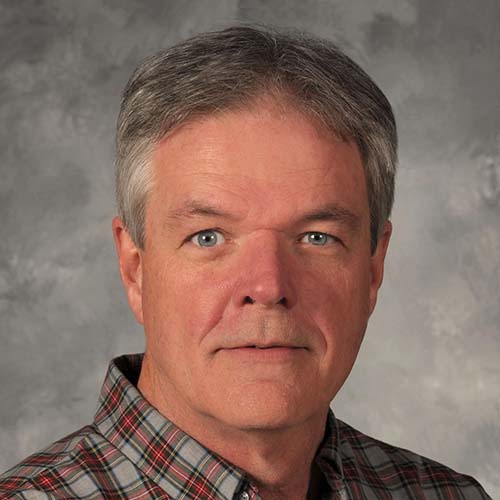
Jimmy Avery
Extension Professor
Education: B.A., Zoology, University of Mississippi; M.S., Biology, Delta State University; Ph.D., Wildlife and Fisheries Science, Louisiana State University
Years At MSU: 29
Focus: Aquaculture
Passion At Work: My passion is supporting the nation's largest aquaculture commodity—catfish.
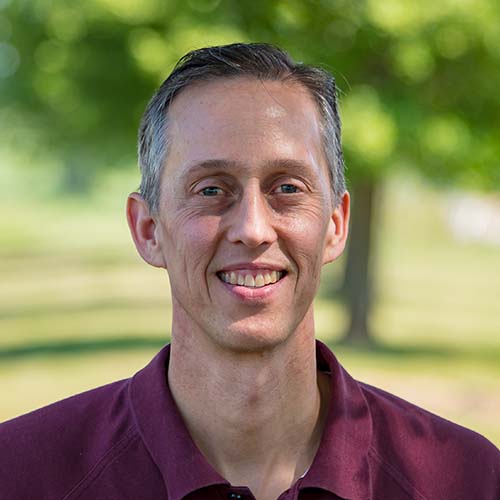
Peter Allen
Professor
Education: B.A., Biological Sciences, University of California, Santa Barbara; Ph.D., Ecology, University of California, Davis
Years At MSU: 16
Focus: Physiology of fish, aquaculture, and conservation
Passion At Work: Understanding how fish function and applying it to aquaculture and conservation; empowering students.
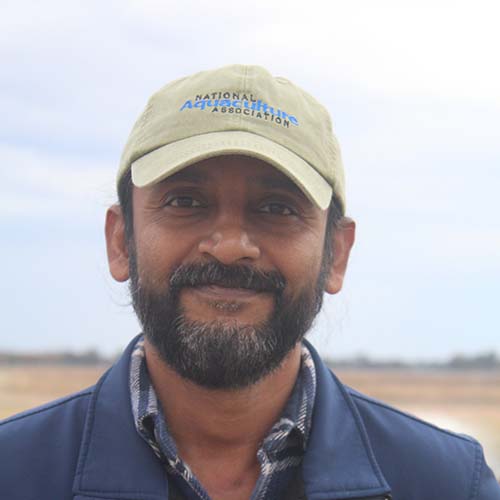
Ganesh Kumar
Associate Research Professor
Education: B.S., Fisheries Science; Kerela Agricultural University; M.S., Inland Aquaculture, Central Institute of Fisheries Education; M.S., Aquaculture Marketing; Ph.D., Aquaculture Economics, University of Arkansas at Pine Bluff
Years At MSU: 9
Focus: Aquaculture economics and market research
Passion At Work: I am passionate about serving U.S. Aquaculture farmers.

Fernando Y. Yamamoto
Assistant Research Professor
Education: B.S., Aquaculture Engineering, Universidade Federal de Santa Catarina; M.S., Animal Science and Pasture, Universidade de São Paulo; Ph.D., Wildlife and Fisheries Sciences, Texas A&M University
Years At MSU: 4
Focus: Developing affordable high-quality catfish feed formulations
Passion At Work: I am passionate about advancing aquaculture through applied research by improving fish nutrition, strengthening animal health, and creating sustainable solutions that directly benefit producers and communities.